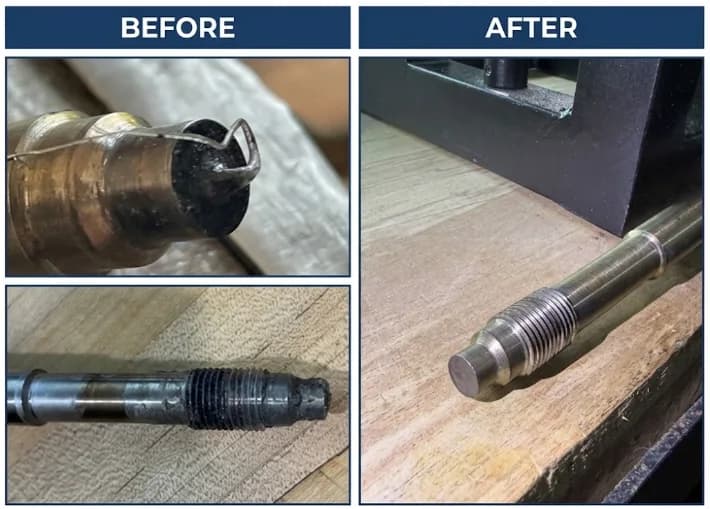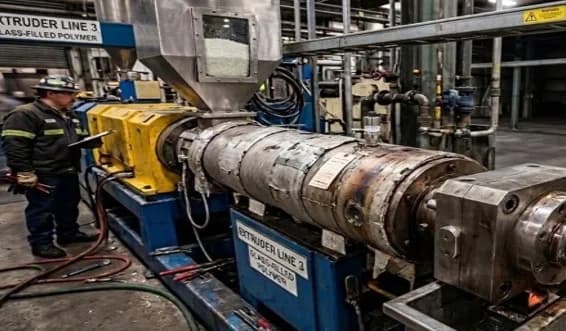


Melt pressure transducers are essential for accurate pressure measurement in extrusion and polymer processing. Regular calibration and maintenance ensure sensor longevity, consistent performance, and minimal process downtime. The NoNonSensors Technical Team has compiled a comprehensive guide to help maintenance teams follow best practices for maintaining and calibrating melt pressure transducers effectively.
- Routine Inspection and Preventive Maintenance
-
Visual Inspection: Check for signs of wear, contamination, or damage on the sensor body and diaphragm.
-
Wiring and Connection Checks: Ensure all electrical connections are secure and free of corrosion.
-
Temperature Exposure Review: Verify that the sensor is operating within the specified temperature range to prevent degradation.
-
Process Residue Monitoring: Regularly inspect the transducer for any polymer build-up that can impact readings.
- Proper Cleaning Procedures
-
Avoid Abrasive Tools: Use non-metallic, soft cleaning tools to prevent diaphragm damage.
-
Use Approved Cleaning Solvents: Follow the manufacturer's recommendations for cleaning agents that dissolve polymer residue without harming the sensor.
-
Routine Cleaning Schedule: Establish a cleaning routine based on the polymer type and extrusion frequency to minimize contamination buildup.
- Calibration Best Practices
Zero Calibration (No Pressure Applied)
-
Ensure the transducer is at ambient temperature.
-
Disconnect the transducer from the process and vent it to the atmosphere.
-
Check the output signal; it should read the specified zero output (e.g., 4mA for a 4-20mA sensor, 0V for a 0-10V sensor).
-
If necessary, adjust the zero setting using the appropriate calibration tools.
Span Calibration (Applying Known Pressure Values)
-
Use a pressure calibrator to apply a known pressure within the sensor's range.
-
Compare the transducer output to the expected signal value.
-
Adjust the span setting if discrepancies are found.
-
Repeat the calibration at multiple points (e.g., 25%, 50%, 75%, 100%) to verify accuracy.
Verification and Adjustment
· After calibration, re-install the sensor and confirm that it provides stable and accurate readings under process conditions.
· Schedule regular calibration checks based on operational hours or manufacturer guidelines.
- Troubleshooting Common Issues
| Issue | Possible Cause | Solution |
|---|---|---|
| Inaccurate readings | Residue buildup, drift | Clean sensor, recalibrate |
| Erratic signal output | Loose wiring, EMI interference | Secure connections, shield cables |
| High zero offset | Temperature shifts, diaphragm damage | Allow stabilization, inspect diaphragm |
| Sensor failure | Overpressure, excessive heat | Check for exceeded ratings, replace sensor if necessary |
- Establishing a Maintenance Schedule
-
Daily: Visual inspection and monitoring of pressure readings for abnormalities.
-
Weekly: Check wiring, connections, and clean minor residue buildup.
-
Monthly: Perform zero calibration and inspect sensor condition.
-
Quarterly: Conduct full span calibration and verify sensor response accuracy.
-
Annually: Evaluate sensor performance against manufacturer specifications and replace if needed.
Regular calibration and maintenance of melt pressure transducers ensure optimal performance, process stability, and sensor longevity. By implementing these best practices, maintenance teams can prevent costly downtime, maintain accurate pressure control, and extend equipment life.
For further technical support or calibration tools, contact the NoNonSensors Technical Team today.
Make the next step a confident one.
Share your part number or process requirements. We’ll help you work through the fit.
Talk to an expert