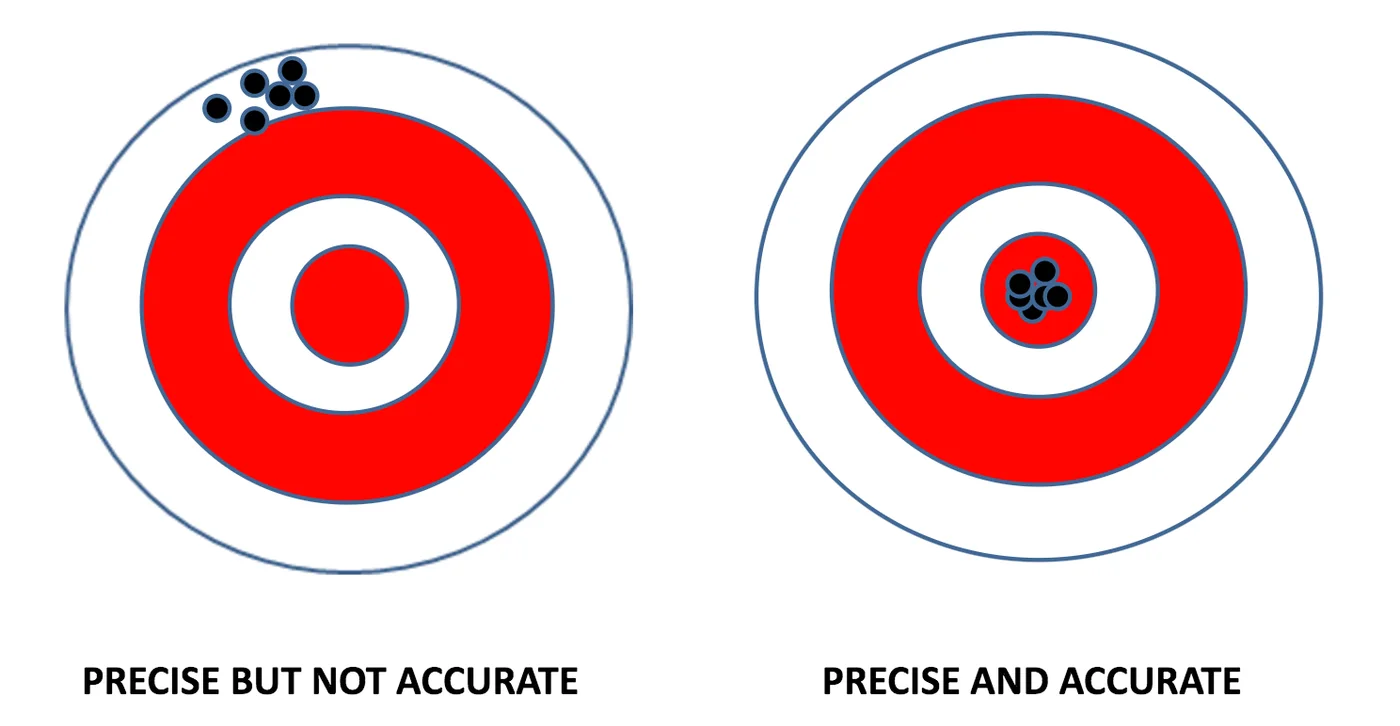
DEFINITION OF DRIFT**:**
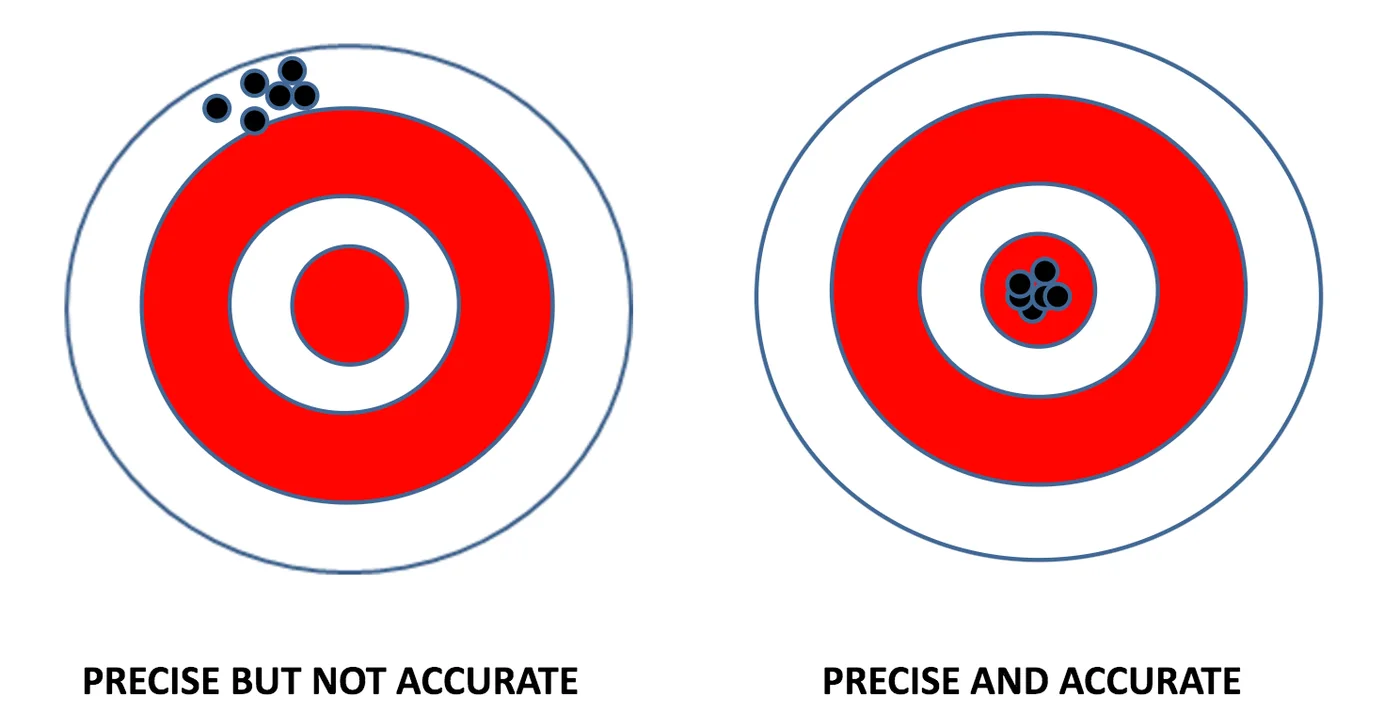
Sensor drift is a gradual deviation in the output signal of a transducer from the true pressure value, even though the actual process pressure remains constant
Example:
If a transducer is calibrated so that 0 psi = 4 mA, over time it might read 4.2 mA at 0 psi (indicating false pressure). That small shift can lead to hundreds of psi error at higher pressures.
Causes of Sensor Drift in Melt Pressure Applications:
-
High Temperature Effects - Continuous exposure to 300–400 °C (typical melt extrusion) can cause strain gauge material fatigue or changes in electrical resistance. - Improper cooling (in food lines or coextrusion setups) accelerates this.
-
Thermal Cycling - Frequent heating and cooling of the barrel causes mechanical stress on the diaphragm and internal sensing element.
-
Overpressure or Pressure Spikes - Short bursts above rated capacity can cause permanent deformation of the diaphragm → false baseline shift.
-
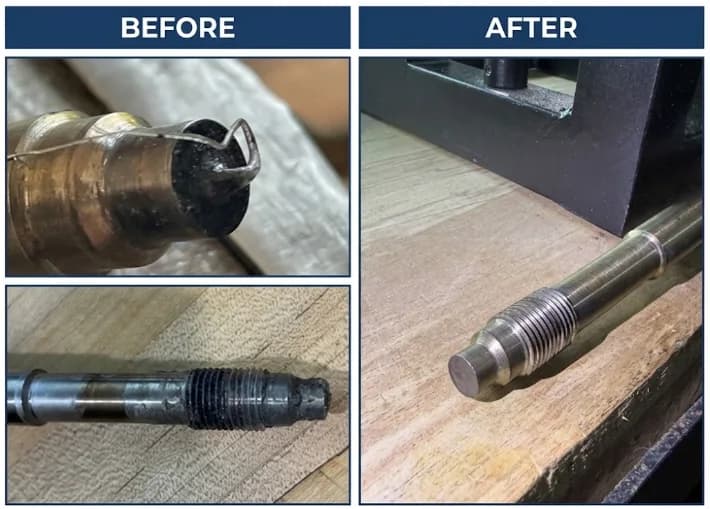
Material Build-up / Residue - Residual polymer or food material can harden around the diaphragm, causing false pressure readings as the sensor is effectively “preloaded.”
-
Electrical Factors - Cable degradation, EMI/RFI noise, or poor grounding can mimic drift.
-
Aging of Sensor Components - Long-term use causes changes in strain gauge bonding, insulation resistance, or electronic circuitry.
How to Avoid or Minimize Sensor Drift
-
Correct Installation - Mount sensors in clean, properly machined ports. - Use recommended torque (too loose = leak, too tight = damage).
-
Temperature Management - Use flexible capillary or cooling jackets to isolate electronics from heat. - Avoid cold-start calibration (always calibrate at operating temperature).
-
Regular Calibration Checks - Zero check daily/weekly (especially after cleaning). - Full calibration quarterly or semi-annual to correct for gradual drift.
-
Avoid Overpressure - Use rupture disks / pressure limit alarms to protect against spikes.
-
Cleaning Practices - Never use sharp metal tools to clean mounting holes. - Use brass or copper cleaning tools that won’t deform the diaphragm.
-
Proper Sensor Selection - Choose sensors rated for higher continuous temperature and pressure than your normal operation. - For food → use models with flush diaphragms to reduce build-up.
-
Electrical Maintenance - Use shielded cables, proper grounding, and inspect connectors routinely.
**TAKEAWAYS: **Sensor drift is essentially the “creep” of the pressure baseline due to heat, stress, material build-up, or aging. You can’t eliminate drift completely, but with correct installation, preventive calibration, temperature isolation, and proper cleaning, drift can be minimized and controlled.
NNS Team Use : Think.... #Cleaning Tools #Correct Sensor Selection #Protective Diaphragms #Routine Sensor Checks #Planned Sensor Replacement Scheduling
Make the next step a confident one.
Share your part number or process requirements. We’ll help you work through the fit.
Talk to an expert