Melt pressure transducers, widely used in applications such as plastic extrusion and injection molding, can fail for several reasons. Here are the most common failure causes:
1. Overpressure
-
Cause: Subjecting the transducer to pressures beyond its rated capacity.
-
Effect: Damage to the sensing diaphragm, leading to inaccurate readings or complete failure.
-
Prevention: Use a transducer with an appropriate pressure rating and install overpressure protection mechanisms.
2. Excessive Temperature
-
Cause: Exposure to temperatures beyond the transducer's specified range, often due to improper cooling or heat transfer from the process.
-
Effect: Degradation of internal components, such as the sensing element or insulation, leading to loss of function.
-
Prevention: Ensure proper thermal insulation, cooling, and adherence to temperature specifications.
3. Physical Damage
-
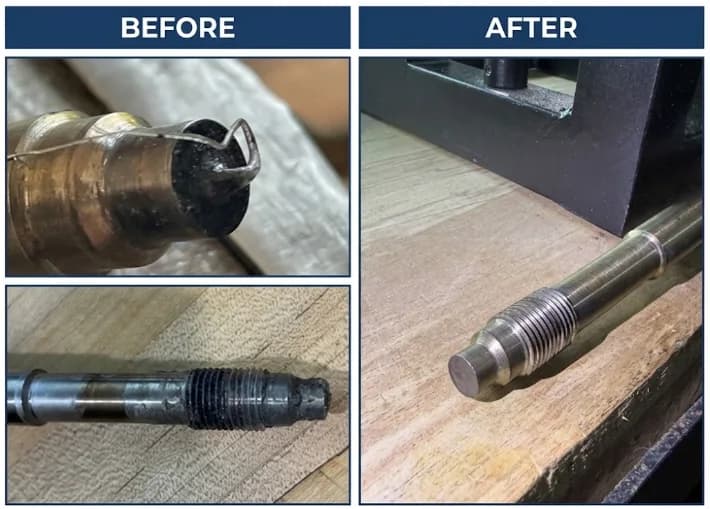
Cause: Mishandling during installation or maintenance, such as overtightening, bending, or dropping the transducer.
-
Effect: Structural damage to the body or diaphragm.
-
Prevention: Handle the transducer carefully and use appropriate tools and torque specifications during installation.
4. Chemical Corrosion
-
Cause: Exposure to aggressive chemicals or abrasive materials in the melt stream that attack the diaphragm or sensor housing.
-
Effect: Corrosion or erosion of the diaphragm, affecting accuracy or leading to failure.
-
Prevention: Use transducers made from corrosion-resistant materials suited to the application.
5. Electrical Issues
-
Cause: Voltage spikes, improper wiring, or poor grounding.
-
Effect: Damage to the transducer's internal electronics, resulting in erratic signals or no output.
-
Prevention: Install surge protectors, follow correct wiring practices, and ensure proper grounding.
6. Sensor Drift
-
Cause: Long-term exposure to high pressures and temperatures can cause material fatigue in the sensing element.
-
Effect: Gradual loss of accuracy and reliability in readings.
-
Prevention: Regular calibration and periodic replacement based on the manufacturer's recommendations.
7. Contamination
-
Cause: Accumulation of process material or debris on the diaphragm.
-
Effect: Impaired pressure measurement due to blocked sensing orifices or changes in diaphragm sensitivity.
-
Prevention: Regular cleaning and ensuring process material compatibility.
8. Installation Errors
-
Cause: Improper mounting, such as misaligned threads or excessive tightening torque.
-
Effect: Damage to threads, seals, or the diaphragm, leading to leakage or failure.
-
Prevention: Follow manufacturer guidelines for proper installation.
9. Vibration or Mechanical Stress
-
Cause: Prolonged exposure to vibrations or mechanical forces in the operating environment.
-
Effect: Internal component damage or loose connections.
-
Prevention: Use vibration isolation mounts or secure the transducer properly.
10. Age and Wear
-
Cause: Prolonged use under harsh operating conditions.
-
Effect: Gradual degradation of sensor components, leading to failure over time.
-
Prevention: Routine maintenance, inspection, and timely replacement of aging transducers.
Make the next step a confident one.
Share your part number or process requirements. We’ll help you work through the fit.
Talk to an expert