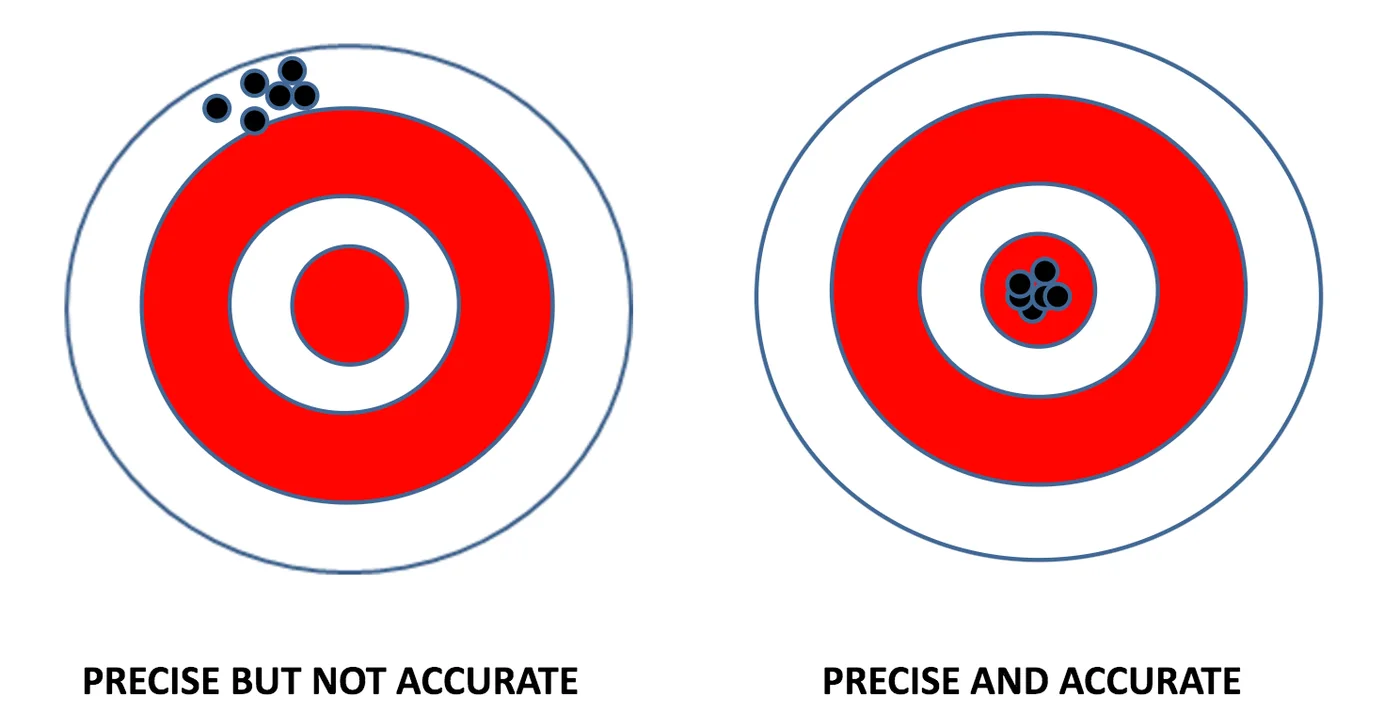
Pressure drift usually starts as a small confidence problem and ends as a production problem. Teams see inconsistent readings, compensate manually, and only later realize the transducer or process conditions have moved outside the expected window.
Build a repeatable inspection routine
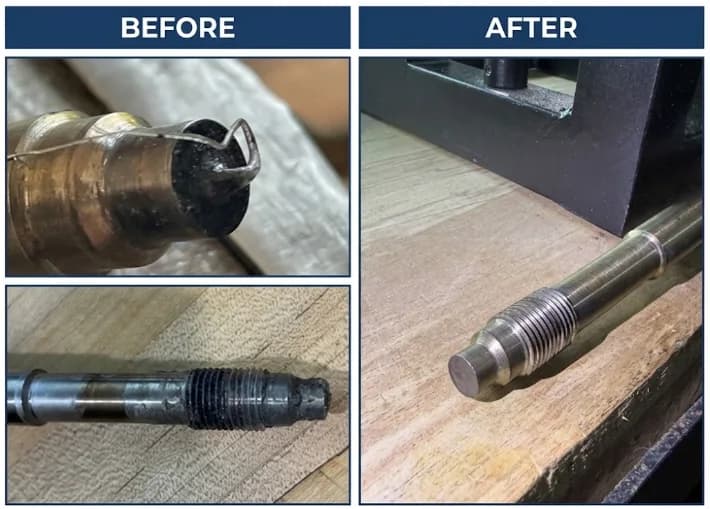
Routine checks should include physical inspection after shipping, verification of cable condition, and confirmation that the sensor is being used within its intended temperature and pressure environment.
Know what normal looks like
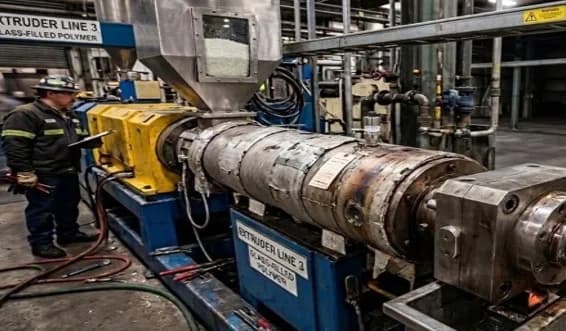
Documenting the normal operating band for each line also makes it much easier to recognize when a sensor is trending away from expected behavior.
Key takeaways
- Inspect sensors on arrival and before install
- Track normal operating windows by line
- Replace questionable cables before troubleshooting deeper
Make the next step a confident one.
Share your part number or process requirements. We’ll help you work through the fit.
Talk to an expert